Tiny Treasure Chest

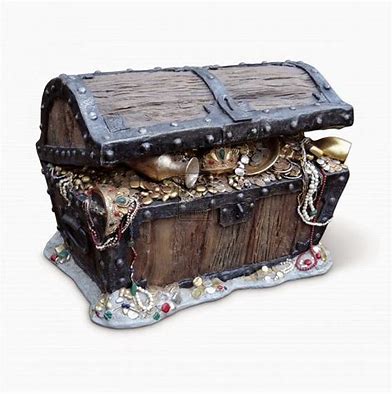
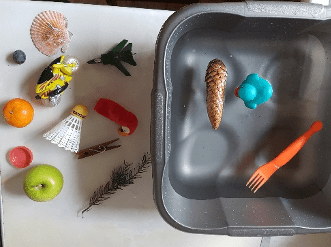
Who would have thought your home was full of treasure!

And treasure that can help your child learn all about exploring, how to be curious, how to count and categorise and how to learn about stories and history

This is a really simple game that all the family can play, and that grandparents or others can join in on Skype or FaceTime or similar

The trick is you have to use a really, really, really small treasure chest

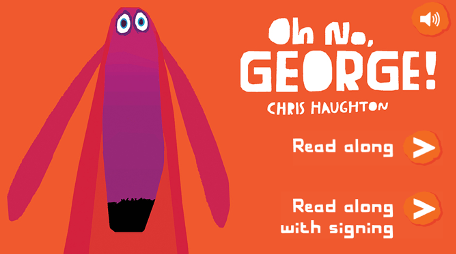
Oh no, George!

Today we have a story about a dog who really tries his best

But it just does not go his way. Cakes are so tasty, and mud such fun to dig!

It’s a lovely story to read along with your child and enjoy

While you do this, they will be learning words, how stories work, how to make predictions (science!) and how to have fun by sharing experiences

And you can have some interesting chats about when we are naughty and it is OK to do our best even if we get things wrong sometimes. (Clue – yes, it is)

Or if you just want the story, it is here, with thanks to the Book Trust

Question Mark Muncher!

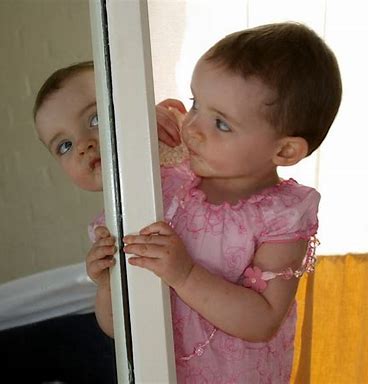
What if there was a way, by just playing and having fun, we could help children learn more words, build concentration and develop more ideas and concepts? A way that involves no effort at all?

There is! And this is where the Question Mark Muncher can help.

Children get asked so many questions! But they don’t actually learn that much from them.

Instead, if we make comments and say what we see – and then wait for and build on their responses – then they learn a lot and the play is even more fun for everyone.

So today’s idea is just to play. But to be careful with questions. This can be very tricky for adults as we are often in the habit of asking lots of them.

But help is at hand …

For more information about the ideas behind this, click for Words Up posters

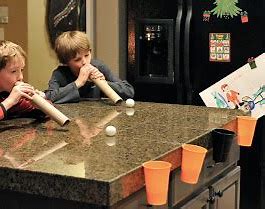
Water balloons!

If you are lucky enough to get your hands on some water balloons here are some ideas for indoor and outdoor play. Some children might be worried initially about getting wet so there are some tips below to help them join in. Others will love to get everyone wet – so plan before you play and have fun!

As well as being fun, messing about with water balloons is great to building attention skills, learning new words, and also about sequences – this is really good for maths and writing later on.

Sensory issues?

Some children really don’t like the feel of being wet, so these ideas may help:

  • If your child doesn’t like the feel of cold water put warm water in the balloon.
  • If they don’t like getting their hands wet dry off the balloon after filling.
  • Try them wearing rubber or other gloves.
  • Model it a few times, your child may not want to do it themselves at first.

Recycling fun!

Some people love sorting the recycling – for others it is a boring chore

Everyone can have fun if your child joins in and helps you.

Not only does this give you some time together, there is a lot they can learn from it. About how the world works, what happens to our rubbish, why recycling is important

And also about sorting and sequencing, counting, talking and listening

You never know, they may be able to take it over and do it for you soon!

Awful Orchestra

You don’t need expensive equipment to make music. Any household object has a playful tune in it if only we look or listen hard enough.

Music can express our deepest feelings and draw us together as families and communities

It is also an excuse to make a racket and have fun!

Today’s idea is all about children playing with rhythm and different sounds. Without even realising, this will develop their coordination and attention skills

It is also a great way to feel close, take turns and enjoy being together

Almost anything can be a musical instrument – some ideas in the sheet below. Make sure you keep an eye on your child so they are playing safely!

Snakes and Ladders

As we all know at the moment, life has its ups and downs. Do you ever wonder how we learned to cope with them?

Schools are on holiday in Highland, so this week’s ideas are all about playing and fun.

But Snakes and Ladders is also a great way to understand numbers and how to count. At the same time, we learn how to cope with setbacks (even funny ones). And the whole family can play and feel together at this time.

Already know how to play? You’ll find some ideas here to make it more fun (and amuse your child for longer) by making your own board – or taking it outside and being “living pieces”!

Old MacDonald

You might be an opera singer or an undiscovered Rod Stewart, or have a voice like a rusty door – your child will still love to sing with you!

Rhymes and songs are great for learning. They make us feel good and forget our worries for a bit. But also, they help children understand about patterns, words and sounds

Every story has a pattern to it, so you will be preparing your child for a lifetime of successful reading and writing. As well as having a laugh and some fun

Not sure of the tune or the words? Click here for a funny version by the BBC

Don’t like farm animals? Pick any – the more the better!

Welcome!

Thank you for visiting our website!

Playing and talking together, having fun, a listening ear and loving kindness – that’s all our young children need from us to learn and develop right now. This website has lots of ideas for play and learning, or for if you have concerns about a child’s development too.

These pages are created by people living and working in the Highlands of Scotland, but everyone is welcome to use them. You can find out more about us using the About menu

Play ideas

If you are looking for ideas how to help young children learn at home through play, scroll down! Or search using the tags.

Help with children’s development

If you are looking for more general information about early child development and how to support this, then please use the menus above, or go to this link

Literacy at home Part 1

Almost anything you do with your child will help develop their literacy.

Through conversations with you, they can learn new words and how to use them. There is a link below to show four key things that really help

Playing and helping you with tasks in the home develops your child’s movement and coordination, which will help with their handwriting. They can make marks and draw pictures to show their ideas. You can let them “help” when you are reading or writing – such as a shopping list or a TV programme guide

The most important thing you can do with your child is to share and enjoy stories, songs and rhymes together.

Look out for more posts on literacy at home!

Less is more!

Please don’t go out and buy lots of expensive equipment, apps or toys or feel you have to provide your child with endless worksheets.  These might be heavily marketed during this time, but your child can learn very well just from ordinary toys, story books, everyday objects and going out and about.

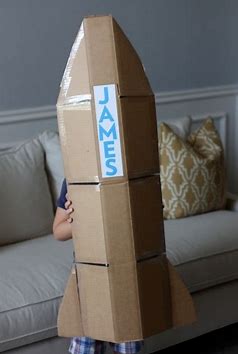
Sometimes the most educational object is the cardboard box, not the expensive toy it came in. Time playing with you is more valuable than anything else for learning and development.

And you don’t have to spend ages planning learning opportunities.  The everyday life of your home has lots of ways to learn like matching socks, laying the table, preparing food, making lists, looking after pets, counting money and so on and so on.

We will be posting lots of ideas in the next few weeks to support this – and you will think of even better ones yourself, so please share them through commenting!