Even now the lockdown is easing, days at home may still seem long – and it is still tempting to snack away the time!
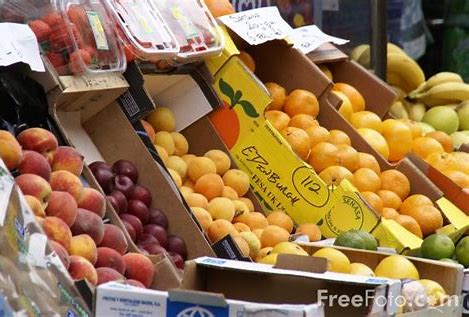
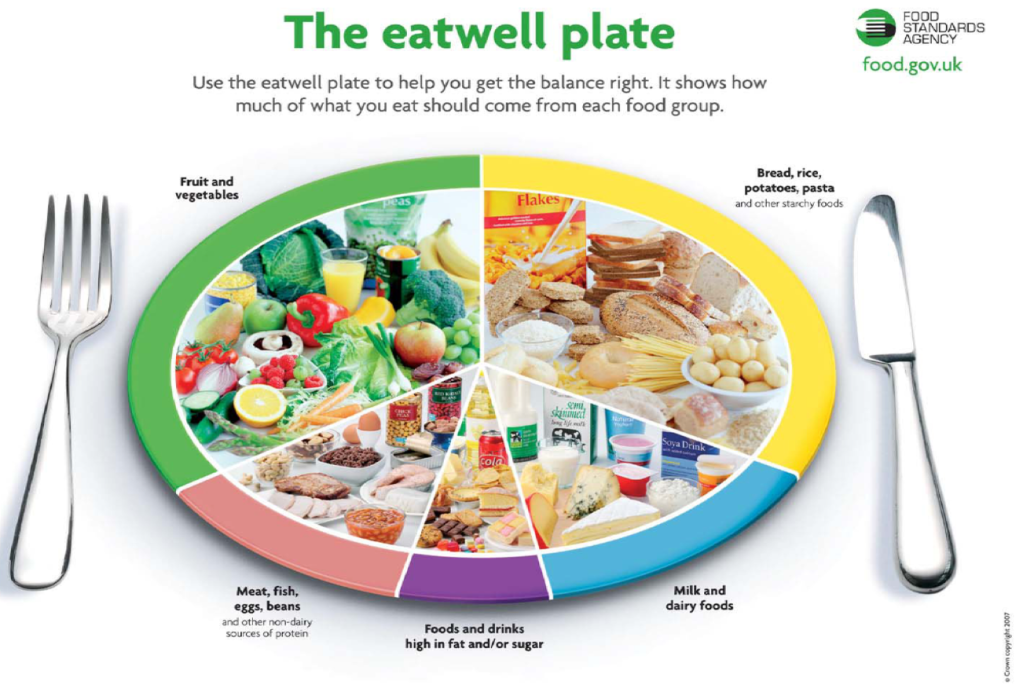
Today’s play idea is a way to have chats with your child about different kinds of food, and how we need to balance the different types
As you set up a shop together, your child can have a real experience of buying and selling – learning as well about money, shops and even some economics and politics (who says you can make sweets more expensive than fruit – is it fair?!)
Sensory play is brain building work for children. It allows them to explore, problem solve and be creative.
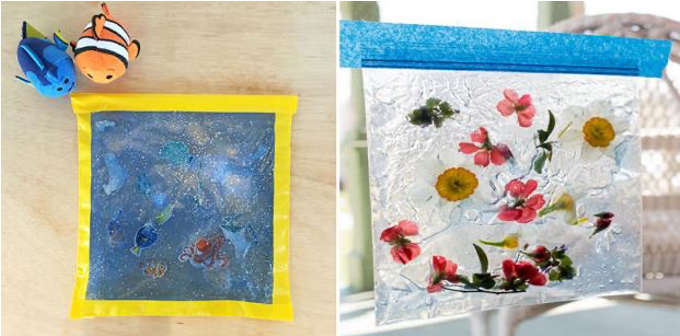
It doesn’t always have to be messy! Squishy bags are great way for children and families to enjoy mess-free messy play!
Although glitter and shiny stars make eye catching squishy bags, the use of natural items such as flowers and leaves can spark children’s creativity even more – and they’re free!
This is also a great activity for adults as it’s very calming and will chase worries and stresses away.
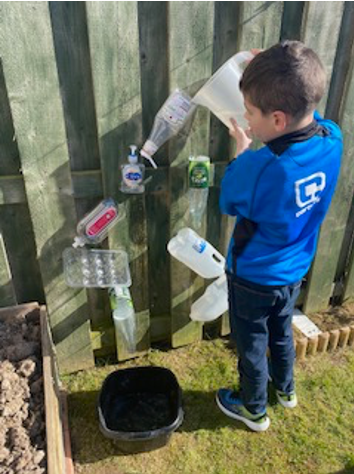
Something for outdoors today – or inside if you have a suitable space that can get a bit wet!
It is all-day fun, and great for developing concentration, movement skills, vocabulary, understanding of cause and effect, science …
Use empty bottles, cartons or anything else you have around the house to build a water wall. Attach them to something static like a fence using screws, cable ties or garden wire. A basin at the bottom means you can collect the water and refill the containers on the wall. If you keep the lids of the containers you can pop them on and collect rain water to use next time.
Today we have a game about observing and remembering
You can play this with any small objects you have around the home – start with a couple until your child gets the idea. They may even want to challenge you!
Anyone in the family can play, and it is another good one to enjoy with loved ones during a video chat
Something active for the end of the week and hoping for some good weather at the weekend too
This is not “just” bouncing and passing balls. Your child will learn a lot of science and maths – counting, how things move, forces.
Lots of words as well for describing movements, as they also develop their coordination skills. Great for sports, but also for school – hand/eye coordination is really important for writing, and a sense of space is vital for maths
But that’s for the future – click below for some ideas how to have fun, involve the whole family and learn at the same time
Bath time is part of the routine, so why not make the most of it?
It is surprising how much your child can learn by having fun with any different bottles and containers you have (make sure these are safe to play with!)
There is learning about quantities and number, how to pour and concentrate – and it is a great way to enjoy what might otherwise be a chore
Making a pinwheel is easier than it looks and the fun is in watching them spin once they are finished.
It can also be really therapeutic for you and your children. Pinwheels can be used in mindfulness activities, to help you to concentrate on your breathing. Or just watching the spin and feeling how it changes as you blow helps with focus and calm
The patterns can be as simple or creative as you like. There are a couple of templates on the attachment below, but if you prefer you can start with a plain piece of paper and get arty!
Pinwheels make a super rainy day activity, but if you are lucky enough get a dry day why not take them outside and see if you can get them spinning in a breeze?
Today you’re going to find out what a good imagination your child has – and you too!
As you know, children love listening to and making up stories and they can do both in today’s activity, using only a few interesting everyday items they choose from around the house or garden.
Attaching their items to the sticks will certainly help to develop your child’s fine motor skills as it’s quite tricky!
Talking with you about the different items and describing them together is a great way to grow their vocabulary and ideas too. Then they can start to create their own stories with your help. This will help with ideas of sequence and develop memory too!
It’s also great fun to make up silly nonsense stories! 😊
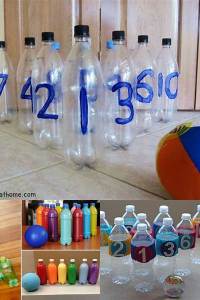
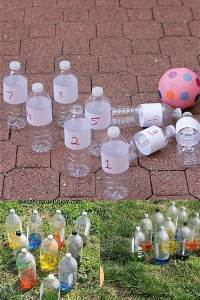
You don’t need special kit for this – you can make a bowling game out of old bottles and a ball
Be warned this is a game that could last all day – you can do it indoors or out, and involve the whole family in a tournament (but make sure your young child has a chance!)
A great way for your child to learn without even realising – about coordination, concentration, weights, movement, counting and turn taking
If you want, you can make the “pins” more special – your child might want to decorate them.
And there are chances to talk to your child about useful maths words like near and far, quick and slow, in front and behind, left and right, forwards and backwards
But it is mainly about having a happy time and forgetting any worries for a while
We all have folk we miss at the moment, and young children are no different
Today’s idea is about how to help your child send a letter to someone they love and miss
Of course, you may have to do most of the writing. But you can use your child’s ideas for what to say, and they can make marks and add a picture, or even do some of the writing if they can
It is a great way to feel close to someone who is not with us, and to learn how to feel better when we are down. Children can also develop their fine motor skills and ideas about how texts work











 bumps to bairns